Directions
As printed on the supplied label: 20–25 ml twice a day, or as directed by the physician. Shake well before use.
Massage gently.

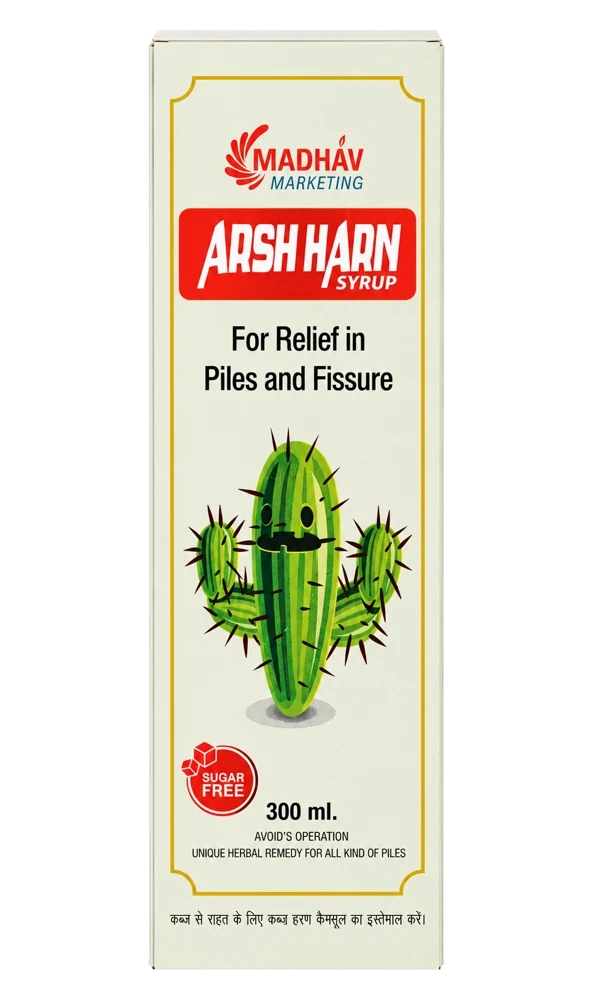 Front
Piles & fissure care
A syrup format in the Arshharan care range. Explore the product pack, composition and label directions below.
Traditionally used in piles care; the pack describes use for itching and burning around the anus. Use with a qualified physician’s guidance, and get rectal bleeding medically assessed.
For product and retailer enquiries: +91 94316 55050
INSIDE THE FORMULA
Each 10 ml contains extracts derived from
Read the composition and directions on your product label.
Swipe left or right on an ingredient to open its profile.
Explore each ingredient’s Ayurvedic uses, its role in our products, and the material listed on the label. Follow the product directions and your physician’s advice.
| Ingredient / component | Benefit / formulation role | Quantity |
|---|---|---|
 TriphalaClassical preparation | A three-fruit blend traditionally used for digestion and bowel regularity.Traditional useWhy it is usedTriphala combines amla, haritaki and bibhitaki fruits. It is traditionally used in digestive preparations and for bowel regularity. Contributes the ingredient role highlighted above. The composition panel shows its identity and amount, helping you understand its place alongside the rest of the formula. | 15 g |
Bel giriAegle marmelos | Fruit traditionally valued for digestive and astringent properties.Traditional useWhy it is usedBael fruit is traditionally described as digestive and astringent. Unripe and ripe fruit have different traditional bowel-related uses, while leaves and roots are separate medicinal materials. Contributes the ingredient role highlighted above. The composition panel shows its identity and amount, helping you understand its place alongside the rest of the formula. | 5 g |
NagarmothaCyperus rotundus | Added for digestive comfortFormulation roleWhy it is usedNagarmotha, or Musta, is an aromatic Ayurvedic botanical used for stomach and digestive comfort. Nagarmotha joins Daruhaldi, Pippli and the other ingredients. The printed amount refers to material used to make the extract. | 5 g |
GhritkumariAloe barbadensis | Included in the digestive and bowel-care recipeFormulation roleWhy it is usedGhritkumari is used in traditional digestive preparations, with the exact Aloe material determining its role. Ghritkumari joins the syrup’s other botanicals. Its printed quantity refers to the material used to make the extract. | 10 g |
 SajjiksharImpure carbonate of soda | Provides an alkaline mineral-salt component.Formulation roleWhy it is usedSajjikshar is an alkaline salt preparation with carbonate or bicarbonate components. Its chemical composition varies with its source and processing. A processed classical component that forms part of the formula's Ayurvedic character. It is listed alongside the botanicals so customers can see the complete formulation. Follow the approved label and physician's directions. | 300 mg |
BhilavaPurified Semecarpus anacardium | A purified marking-nut component of the formula.Processed botanicalWhy it is usedBhilava is identified as purified Semecarpus anacardium, the marking-nut plant. The supplied ingredient is a processed botanical component, rather than raw fruit. Contributes the ingredient role highlighted above. The composition panel shows its identity and amount, helping you understand its place alongside the rest of the formula. | 5 g |
DaruhaldiBerberis aristata | Added for the digestive-care combinationFormulation roleWhy it is usedDaruhaldi is a bitter Ayurvedic botanical used in digestive and metabolic-wellness preparations. Daruhaldi and Rasont are listed separately in the syrup. Their printed quantities describe source materials, not pure berberine content. | 5 g |
AmaltasCassia fistula | Traditionally used as a laxative and digestive ingredient.Traditional useWhy it is usedAmaltas is traditionally described as having laxative and digestive properties. Its preparations are used for bowel regularity and abdominal complaints in traditional medicine; the evidence cited records traditional uses rather than established clinical benefits. Contributes the ingredient role highlighted above. The composition panel shows its identity and amount, helping you understand its place alongside the rest of the formula. | 5 g |
SarapunkhaTephrosia purpurea | Specific extracts have shown preliminary antioxidant activity in animals.Preliminary researchWhy it is usedSharapunkha is a traditional botanical component identified as Tephrosia purpurea. Animal studies of particular extracts have explored antioxidant and metabolic effects. Contributes the ingredient role highlighted above. The composition panel shows its identity and amount, helping you understand its place alongside the rest of the formula. | 5 g |
SunthiZingiber officinale | Added for digestive warmthFormulation roleWhy it is usedGinger is a warming rhizome used in Ayurvedic digestive recipes and external massage preparations. Sunthi joins the syrup’s other digestive botanicals; its printed quantity is the source amount used to make the extract. | 5 g |
Kali MirchPiper nigrum | Provides pungency and aromatic flavour.Formulation roleWhy it is usedBlack pepper contains piperine, the alkaloid responsible for its pungency, together with volatile aromatic oils. It contributes flavour to foods and herbal preparations. Contributes the ingredient role highlighted above. The composition panel shows its identity and amount, helping you understand its place alongside the rest of the formula. | 2.5 g |
PippliPiper longum | Added for digestive supportFormulation roleWhy it is usedPippali is a pungent Ayurvedic botanical used for digestive warmth, respiratory comfort and distinct external preparations. Pippli accompanies the syrup’s digestive botanicals; the label’s quantity is the source material used to make the extract. | 2.5 g |
PipalFicus religiosa | Fruit traditionally used for digestion and bowel regularity.Traditional useWhy it is usedPipal fruit is traditionally described as a laxative and digestive ingredient. Leaves are separately recorded as purgative, while bark has different traditional uses. Contributes the ingredient role highlighted above. The composition panel shows its identity and amount, helping you understand its place alongside the rest of the formula. | 2.5 g |
KurchiHolarrhena pubescens | Added for traditional bowel-care supportFormulation roleWhy it is usedKutaja is a longstanding Ayurvedic bowel-care botanical, listed as Kurchi in Arshharan Syrup. Kurchi joins Nagarmotha, Daruhaldi and the other ingredients. Its plant part remains unspecified on the supplied panel. | 2.5 g |
RasontGhan satva of Berberis aristata | Added for the digestive-care combinationFormulation roleWhy it is usedDaruhaldi is a bitter Ayurvedic botanical used in digestive and metabolic-wellness preparations. Daruhaldi and Rasont are listed separately in the syrup. Their printed quantities describe source materials, not pure berberine content. | 2.5 g |
 ExcipientsSorbitol, glycerine, xanthan gum, aspartame, sucralose, citric acid | Help form, carry, sweeten or stabilise a preparation.Formulation roleWhy it is usedExcipients support the physical properties of a preparation, such as its shape, texture, taste or consistency. They can act as carriers, fillers, sweeteners or stabilisers; their role is formulation support rather than a separate medicinal benefit. Formulation helpers contribute structure, carrying, flavour, preservation or stability, depending on the component. These practical roles help keep the preparation consistent and usable. | Q.s. |
PreservativesSodium benzoate (IP), propyl paraben sodium (IP), methyl paraben sodium (IP) | Help inhibit unwanted microbial growth in a preparation.Formulation roleWhy it is usedPreservatives help inhibit unwanted microbial growth and maintain a preparation during its shelf life. Their benefit is formulation stability and protection from contamination; they are supporting ingredients rather than active components with a separate medicinal effect. Formulation helpers contribute structure, carrying, flavour, preservation or stability, depending on the component. These practical roles help keep the preparation consistent and usable. | As printed |
Pictures show the source plant or material. The composition lists the preparation and amount used. Explore the ingredient guide ↗
Names, identities and amounts follow the supplied panels; the approved current product label remains the final reference.
DIRECTIONS & CARE
As printed on the supplied label: 20–25 ml twice a day, or as directed by the physician. Shake well before use.
Massage gently.
Store in a cool, dry and dark place. Protect from direct sunlight. Keep out of reach of children. Use as directed by a qualified physician.
CONTINUE EXPLORING
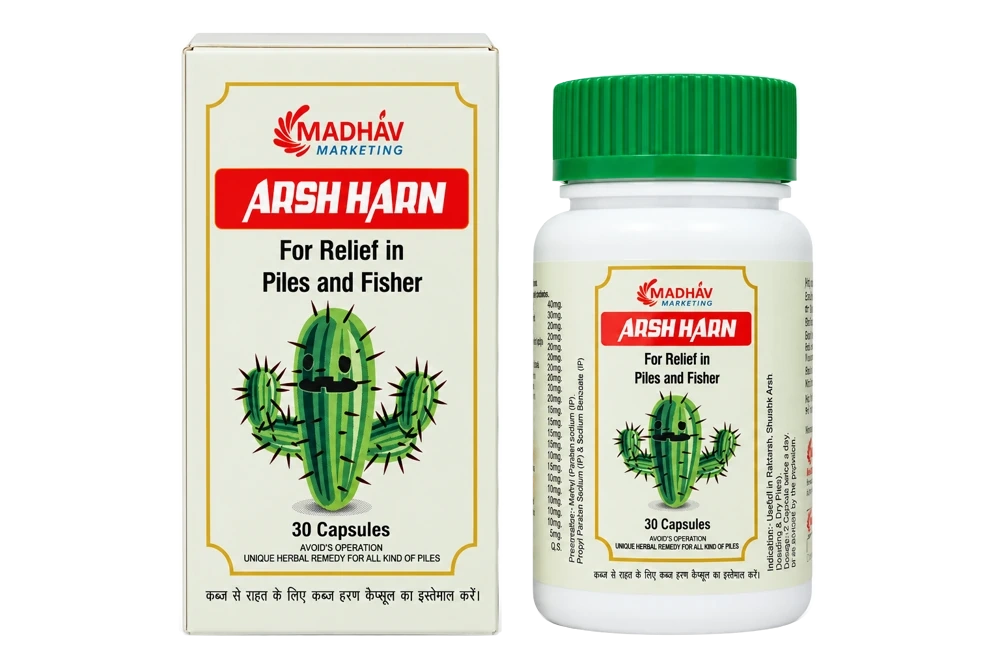 30 capsules
Piles & fissure care
Traditionally used in piles care, including dry and bleeding piles as described on the pack. Use under a qualified physician’s guidance; rectal bleeding needs medical assessment.
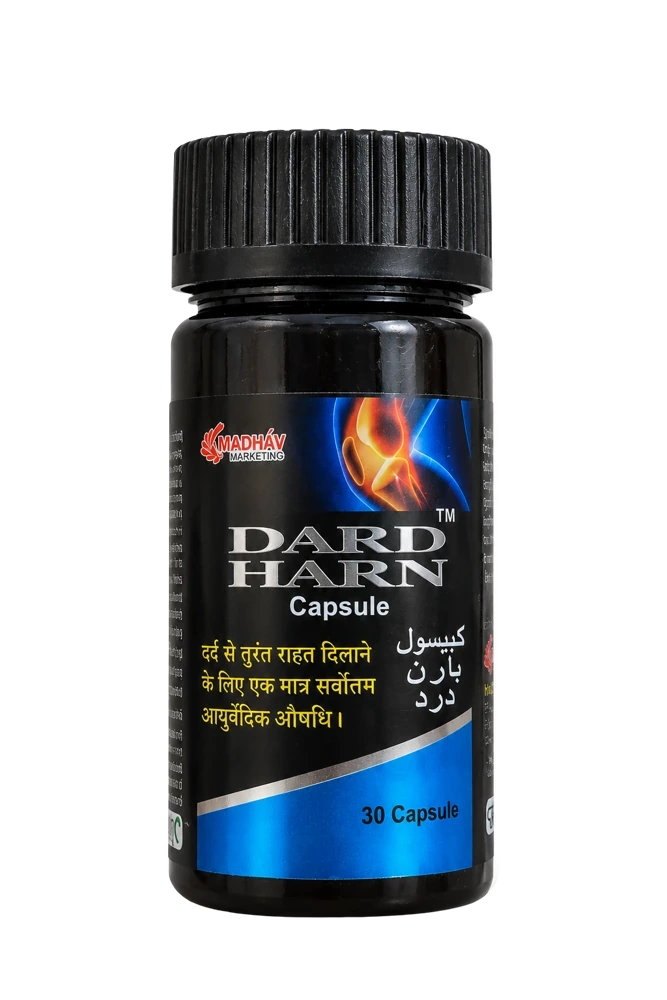 30 capsules
Joint & muscle care
Traditionally used for joint and muscle discomfort, including knee and back pain, as described on the pack. Use under a qualified physician’s guidance.
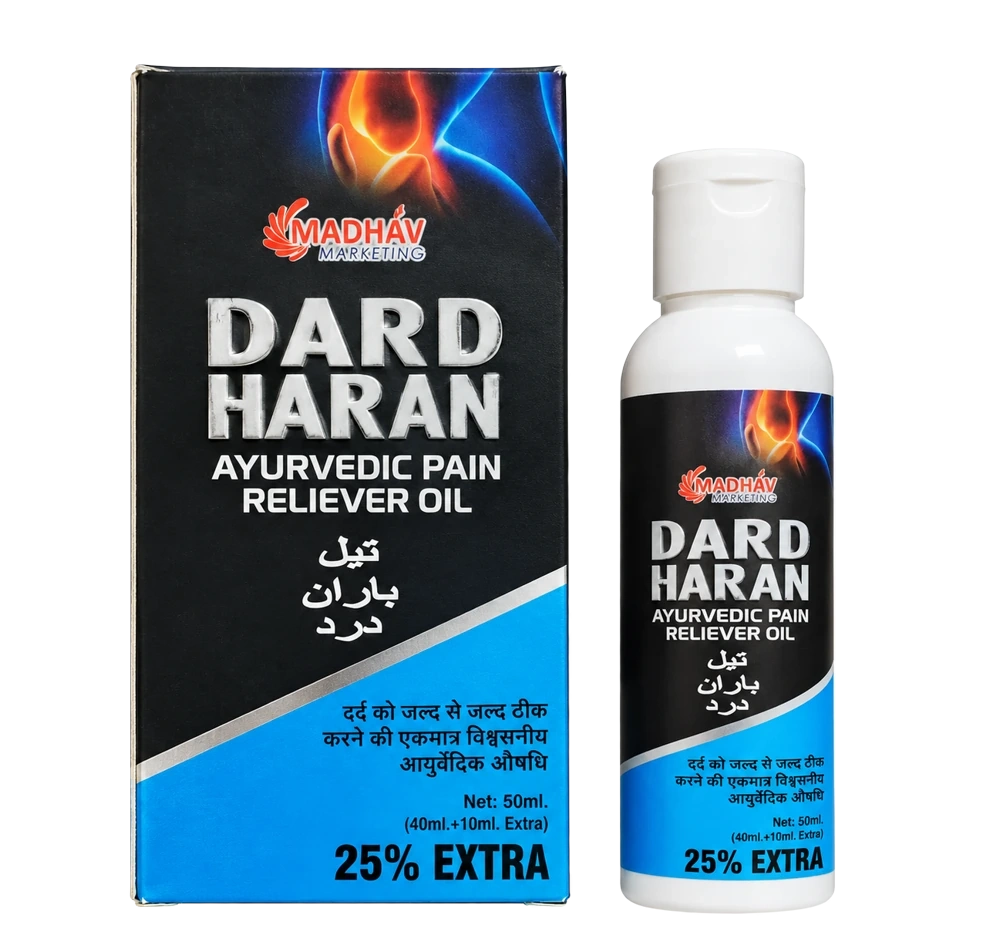 50 ml / 100 ml
Joint & muscle care
An external massage oil traditionally used for joint and muscle discomfort, including the back, neck and shoulders. Gently massage as directed on the pack; for external use only.